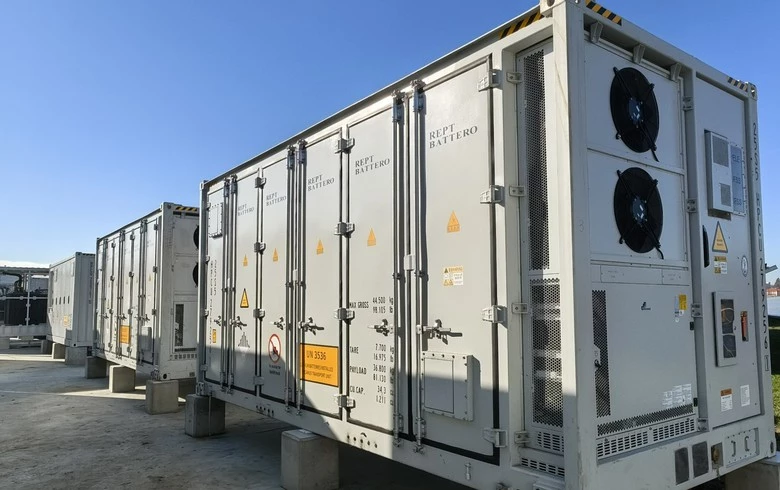
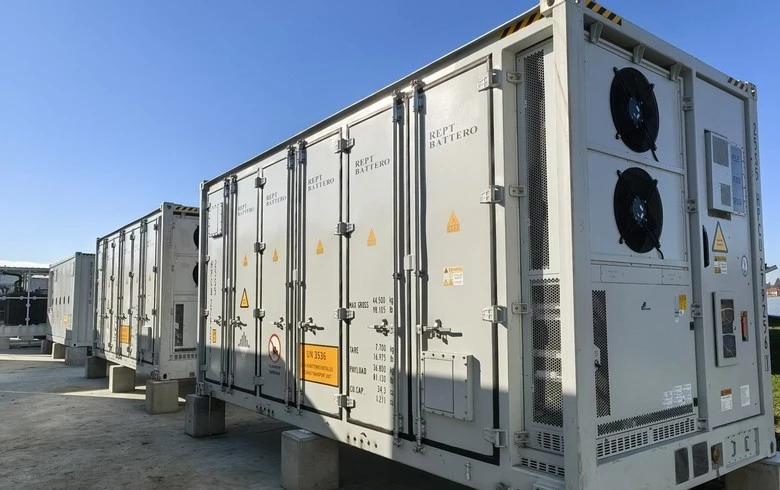
It is 2:47 in the morning. Somewhere in northern Bulgaria, a battery energy storage plant is running its nightly balancing cycle, quietly, automatically, doing exactly what it was built to do. Inside the control room, nobody is watching. Nobody needs to be. The SCADA system is monitoring every module, every temperature reading, every grid signal. And then, in one of the battery containers, something begins to change. A cell starts venting. Electrolyte vapour begins to accumulate. Within seconds, an aspirating smoke detector picks up the off-gas, five times faster than a conventional system would. The nitrogen gas suppression activates. The spread of fire never happens.


 Sep 17, 2026
 Abu DhabiOct 6, 2026WarsawSep 17, 2026Abu DhabiOct 6, 2026Warsaw