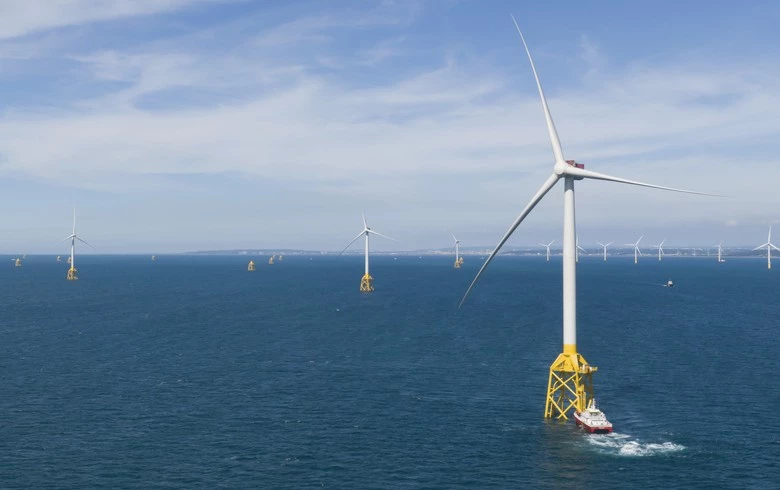
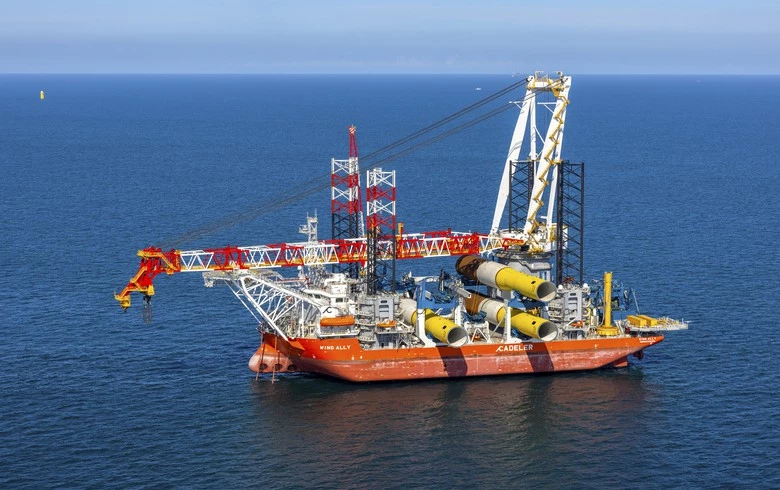
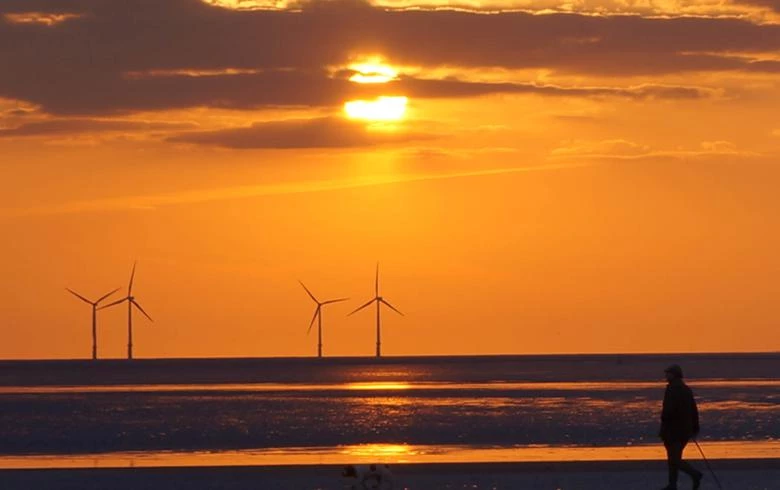
The evolution of offshore wind technologies in the years to come will revolve around achieving lighter and faster production, with improved post-operation recycling potential, an industry expert says.<br/> <br/> Martin H Larsen is an engineer and entrepreneur with notable offshore wind expertise who founded UK-Danish independent engineering and technical consultancy <a href="https://epconsultenergies.com/" target="_blank">EPConsult Energies (EP)</a> in 2010. Later this month, he will attend the 5th edition of the Japan Wind Energy Exhibition & Conference as a keynote speaker to share insights on the advancements in offshore wind technology. The event will take place in Tokyo on October 17-18, 2023.<br/> <br/> Ahead of the conference, Mr. Larsen spoke with Renewables Now, as well. According to him, the most significant technological advancements in the sector so far relate to turbine power output and floating structures.<br/> <br/> “The greatest advancements over the recent years have been the rapid increase in turbine power output from now very large modules and also the advance in floating offshore development. It is expected that developments in materials technology for fabrication and construction will continue to evolve, leading to lighter and faster production, with improved post-operation re-cycling potential. Standardisation will also improve the speed of the implementation phase,” EP’s managing director said.<br/> <br/> Martin noted that fixed-bottom offshore wind projects will continue to be developed for a long time, but added that the gradually declining possibility of leveraging shallow-water continental shelves will boost interest in floating platforms. “As the floating wind technology is evolving, the cost, manufacturing capacity, and speed will all lead to improved project implementation,” he said further.<br/> <br/> As per the importance of concept selection, or “front-end loading”, Martin explained that it is essential for successful, efficient, and cost-effective project implementation.<br/> <br/> “Allocating resources upfront to refine the concept with a qualified team before large-scale implementation begins, provides immense value and sets a project up for success. Concept selection helps avoid costly changes down the road, resulting in smarter investments that pay dividends across the entire project lifecycle. By performing concept selection, we justify to ourselves and stakeholders why we chose the design concept, why we chose this contracting strategy, and why we picked the right cost profile and specified risk. Also, as this is still an emerging technology with a huge dependency on specific sites and supply chains, concept selection cannot be understated.”<br/> <br/> The sector specialist expects an offshore wind market boom again once the current crisis in the US and Europe ends.<br/> <br/> “East and South-East Asia is likely to see a significant rise close to locations of concentrated populations in coastal areas. The same is expected from African and South American regions. The wave environment will have a determining factor as well since, e.g., the West of Africa is dominated by high-frequency fatigue-prone environments, whereas the North Sea and many American regions are more dominated by extreme wave conditions. This will play a dominant design factor for floating wind, and so will the location and capacity of yards and ports,” Martin concluded.


 about 18 hours agoabout 18 hours ago
 about 18 hours agoabout 18 hours ago
 Sep 17, 2026
 Abu DhabiOct 6, 2026WarsawSep 17, 2026Abu DhabiOct 6, 2026Warsaw